


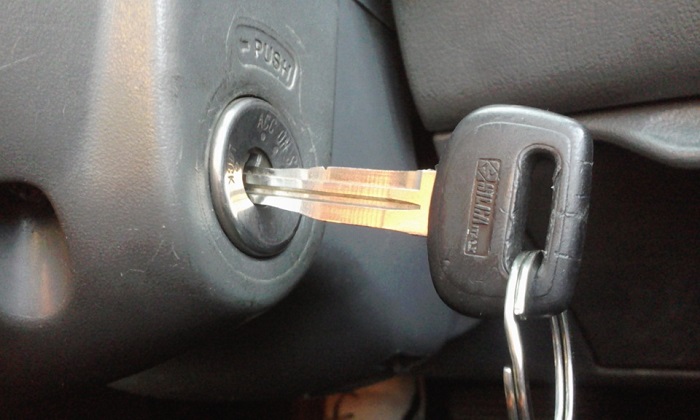
10 Jan What to do if your key is stuck in your car and how to avoid mistakes
When a key gets stuck in a car lock, it can be quite inconvenient and require quick action. In such situations, it’s important to know the correct procedure to avoid damaging the lock or the key itself. Professionals, as well as sources with more information on car opening on https://solidcarlocksmith.ca/car-locksmith-oakville/, can share tips on how to resolve this issue. This will help you choose the best solution and avoid further costs.
What to do if a key is stuck in a car ignition
If a key is stuck in the ignition, it’s important to act carefully to avoid damaging the lock or the key. The first step is to check whether the gearshift lever is in the Park (P) or Ignition (Acc) position. If the lever is not fully engaged, this may prevent the key from being removed. Also, make sure the steering wheel switch is not locked in the key position.
Avoid using excessive force when attempting to remove the key yourself to avoid breaking it or damaging the lock mechanism. If you are unable to remove the key, it is best to contact a specialist or service center. Sometimes the problem can be solved by using special lubricants or gently blowing air into the lock to loosen the stuck mechanism.
What to do if the key is stuck in the ignition. Tips
Check the position of the shifter and steering wheel
- Make sure the gearshift lever is fully in the “P” or “N” position.
- Turn the steering wheel gently in both directions to release the steering wheel lock.
If this does not help: you can use a small amount of special lock lubricant to make it easier to remove the key. Apply it carefully, avoiding contact with other parts of the vehicle.
Pay attention to the condition of the key and lock
- Check for wear or damage to the key.
- If the key begins to wear or appears deformed, it is best not to attempt to remove it by force and contact a specialist.
- Use only original or compatible keys to avoid jamming.
If self-help measures do not help, we recommend contacting an authorized service center for professional diagnosis and troubleshooting. Do not try to force the key out, as this may cause more serious damage to the lock mechanism.
Step-by-Step Guide to Safely Removing a Stuck Key Using Available Tools
If a key is stuck in the lock or ignition, it’s important to remain calm and proceed carefully to avoid damaging the mechanism or making the situation worse. Below are detailed step-by-step instructions to help you remove a stuck key using available tools as safely as possible.
Before you begin, make sure you have the necessary tools and materials, such as a flat-head screwdriver, tweezers, thin wire or plastic, and a spare key or lubricant. Follow the steps sequentially and avoid any sudden movements.
Step-by-Step Guide to Safely Removing a Stuck Key
- Assess the Situation. Inspect the lock or ignition to determine how deeply the key is stuck and whether there are any signs of damage.
- Protect yourself. Turn off the engine and disconnect the battery to avoid short circuits and possible injury.
- Try to gently wiggle the key. Use gentle movements to try to free the key by twisting it back and forth. Do not use excessive force.
- Use lubricant. Gently apply a small amount of graphite or silicone lubricant to the base of the key and the internal mechanisms of the lock to reduce friction.
- Use available tools. Insert a thin plastic or metal blade (such as a flat-head screwdriver) between the key and the walls of the keyhole to free the stuck element.
- Carefully remove the key. Using tweezers or a thin wire, grasp the key and pull it slowly toward the exit, avoiding jerking or excessive force.
- Check and ensure. After removal, inspect the key and lock to ensure there is no damage. If necessary, have a professional inspect it and repair it.
Remember that improper or excessive force can damage the mechanism or key. If you encounter difficulties or lack experience, it is best to contact a professional to avoid additional costs and risks. Regular maintenance and careful handling will help reduce the likelihood of key jamming in the future.
Using makeshift tools requires care and patience. By following these guidelines, you can safely remove a stuck key and continue using your vehicle without problems.
No Comments